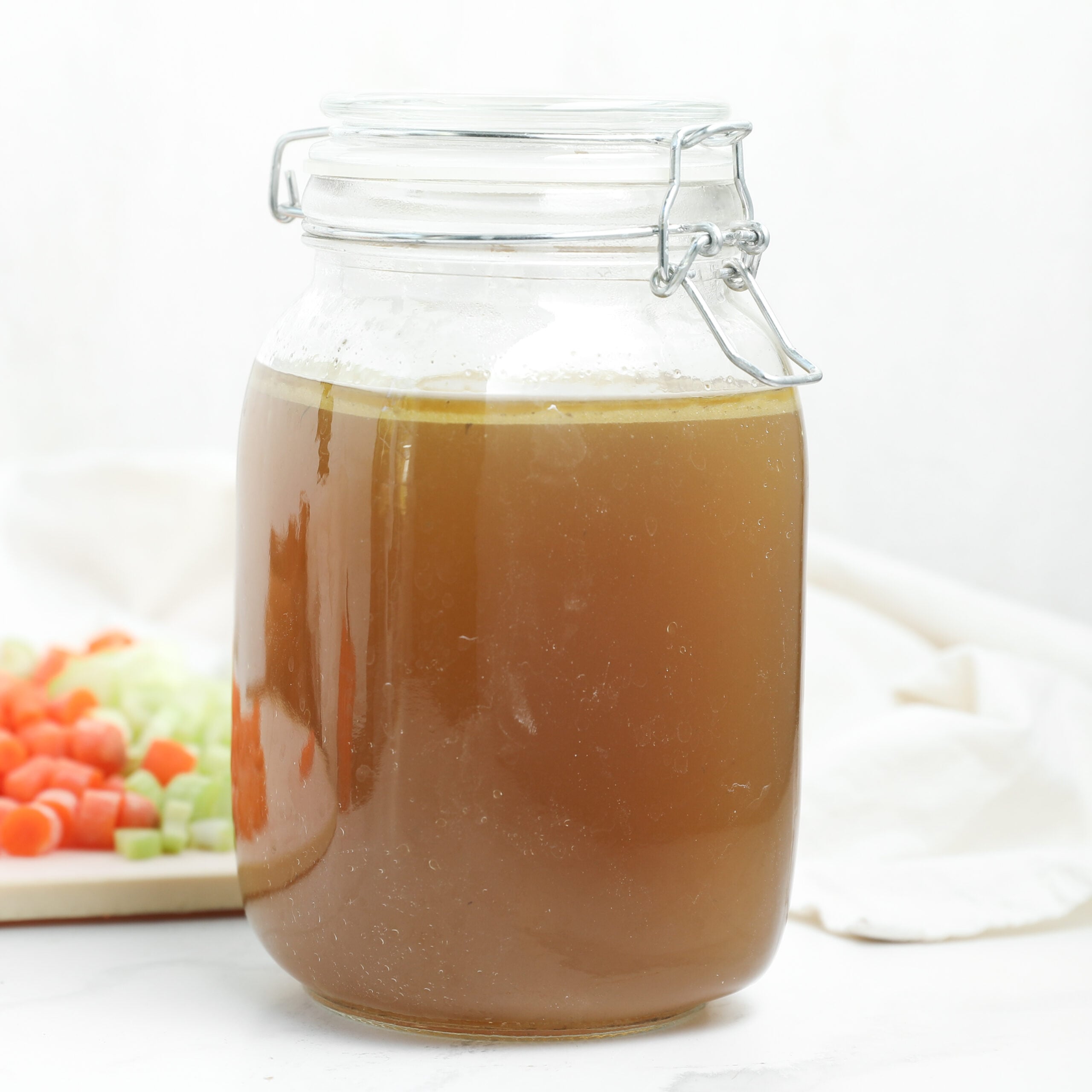
After the grand feast of Thanksgiving or any holiday showcasing a magnificent roasted turkey, you're often left with a collection of dishes and, inevitably, a substantial turkey carcass picked clean of its succulent meat. While the instinct might be to discard this skeletal remains, a culinary secret awaits: transforming it into the most exquisite homemade turkey stock. Far from a daunting task, this simple process turns what might seem like waste into liquid gold, a foundational ingredient that will elevate your cooking for months to come. Say goodbye to store-bought, bland broths and embrace the rich, nuanced flavors only a homemade version can offer.
Why Homemade Turkey Stock is a Culinary Game-Changer
The decision to make stock from your turkey carcass isn't just about reducing waste; it's about unlocking an unparalleled depth of flavor and culinary versatility. Here’s why investing a little time in this process is always worth it:
- Unrivaled Flavor Profile: Store-bought stocks often fall flat, lacking the complex richness of a homemade broth. Your turkey carcass, especially if the turkey was brined, holds residual salts, savory fats, and a wealth of collagen from the bones. As these elements slowly simmer, they dissolve into the water, creating a stock that is deeply savory, aromatic, and incredibly flavorful. This isn't just turkey flavor; it's a profound, umami-rich essence that forms the perfect base for countless dishes.
- Sustainable and Economical: Rather than throwing away valuable resources, you're repurposing every last bit of your holiday bird. Pair the carcass with leftover vegetable scraps (onion peels, carrot ends, celery tops) that might otherwise be discarded, and you have a virtually free ingredient that costs pennies to make, saving you money on expensive commercial stocks.
- Purity and Control: When you make homemade turkey stock, you control every ingredient. This means no artificial flavors, excessive sodium, or preservatives often found in store-bought alternatives. It’s a clean, wholesome product you can feel good about using.
- Culinary Versatility: Once you have a freezer full of this liquid gold, your cooking possibilities expand exponentially. It's the perfect base for gravies, holiday stuffing, hearty soups (like turkey noodle or wild rice), comforting stews, risottos, and even simmering grains for an extra layer of flavor.
- Health Benefits: Beyond flavor, slow-simmered bone stock is packed with gelatin and other beneficial compounds derived from the bones. These can support gut health, joint function, and even contribute to healthier skin and hair.
Essential Ingredients for Your Rich Turkey Stock
The beauty of making homemade turkey stock is its simplicity and flexibility. You don't need exotic ingredients; just a few foundational elements and plenty of water are key to creating a truly rich flavor.
The Star: Your Turkey Carcass
This is the cornerstone of your stock. Ensure the carcass has been picked clean of most meat, but don't worry about tiny scraps; they'll only add more flavor. You can also include any unwanted turkey parts like the neck, giblets (excluding the liver, which can make the stock bitter), or wings that didn't get eaten. If your carcass is too large for your pot, don't hesitate to break it into smaller pieces.
Aromatics for Depth
These vegetables provide a foundational, savory backdrop without overpowering the turkey flavor. The classic trio, often called mirepoix, includes:
- Onion: A large onion, quartered (peel on for color!).
- Carrots: 2-3 carrots, roughly chopped.
- Celery: 2-3 celery stalks, roughly chopped.
Pro Tip: Don't be afraid to use vegetable scraps! Onion skins, carrot tops and ends, and celery trimmings are perfect for this. Just ensure they are clean.
Fresh Herbs for Fragrance
Herbs elevate the aroma and add a subtle complexity. Utilize any fresh herbs you have leftover from your holiday meal prep:
- Parsley: A generous bunch of fresh parsley.
- Sage: A few fresh sage leaves or a sprig.
- Thyme: Several sprigs of fresh thyme.
Rosemary can also be used sparingly, but too much can dominate the flavor.
Simple Spices
These provide a gentle warmth and depth:
- Whole Black Peppercorns: About 1 teaspoon.
- Bay Leaves: 2-3 dried bay leaves.
Water – The Unsung Hero
Water quality matters! Use cold, filtered water if possible. For a whole turkey carcass, you'll typically need around 1 gallon (4 liters) of water to ensure everything is submerged. If you're using a smaller amount of bones, adjust the water accordingly.
A Note on Salt
This is crucial: if your turkey was brined before cooking, there is likely plenty of residual salt in the carcass. Therefore, do not add extra salt to your stock during the cooking process. You can always season the finished stock later when you use it in a recipe. If, after tasting, your finished stock is saltier than you prefer, simply add a bit more water to dilute it.
Crafting Your Homemade Turkey Stock: Stovetop & Slow Cooker Methods
Making homemade turkey stock is incredibly forgiving, and you have options depending on your schedule and preferred cooking method. Whether you choose the traditional stovetop or the hands-off slow cooker, the process is straightforward. For a more detailed look into each method, check out our guide on Unlock Flavor: Stovetop & Slow Cooker Turkey Stock Guide.
Stovetop Method (Traditional & Robust)
The stovetop is the classic way to make stock, offering excellent control over the simmer and often yielding a deeply colored, rich product.
- Prepare the Carcass: Place the turkey carcass (and any additional bones or parts like the neck) into your largest stockpot. If the carcass is too big, break it down into smaller, manageable pieces to ensure it fits snugly.
- Add Aromatics and Herbs: Distribute the chopped carrots, onion, celery, fresh herbs (parsley, sage, thyme), black peppercorns, and bay leaves around and over the carcass in the pot.
- Cover with Water: Pour cold water over all the ingredients until everything is fully submerged. A good rule of thumb is to have about an inch or two of water covering the solids.
- Bring to a Gentle Simmer: Place the pot on the stove over high heat and bring it just to a boil. Immediately reduce the heat to the lowest setting to maintain a very gentle simmer. You should see only tiny bubbles breaking the surface, not a rolling boil. A gentle simmer is key to a clear, flavorful stock, whereas a vigorous boil can make it cloudy.
- Skim and Simmer: As the stock begins to heat, foam and impurities will rise to the surface. Use a ladle or a large spoon to skim this off periodically during the first hour of simmering. This step helps ensure a clearer, cleaner-tasting stock.
- Long and Slow: Let the stock simmer, uncovered, for at least 6 hours, or up to 12-24 hours for a truly rich, deeply flavored stock. The longer it simmers, the more collagen and flavor will be extracted from the bones, resulting in a gelatinous and robust stock. Check occasionally and top up the water if too much evaporates, ensuring the solids remain submerged.
Slow Cooker Method (Hands-Off & Convenient)
The slow cooker is perfect for a less supervised, longer simmer, making it ideal for overnight cooking or when you're busy with other tasks.
- Load the Crockpot: Place the turkey carcass and any other turkey parts into a large slow cooker. Add the aromatics, herbs, and spices.
- Cover with Water: Pour cold water over all the ingredients, ensuring they are fully covered.
- Set and Forget: Cook on the LOW setting for 8-12 hours, or even up to 24 hours. The slow cooker maintains a consistent, gentle heat, which is perfect for extracting maximum flavor and nutrients without boiling.
Post-Simmer: Straining, Cooling, and Storing Your Golden Elixir
Once your stock has simmered to perfection, the journey isn't quite over. Proper handling after cooking is essential for both quality and safety.
Straining for Clarity
Carefully remove the large bones and vegetables from the pot using tongs or a slotted spoon. Then, place a fine-mesh strainer (or a colander lined with cheesecloth) over a large, heat-proof bowl or another clean stockpot. Slowly pour the stock through the strainer to catch any small debris, bone fragments, or fine particulates. For an even clearer stock, you can double-strain it.
Cooling Safely
This is a critical step for food safety. Rapidly cool the stock to room temperature before refrigerating. You can do this by placing the stockpot in an ice bath in your sink, stirring occasionally. Once it's no longer steaming and has reached room temperature (typically within 1-2 hours), it’s ready for the next step.
Defatting for Purity and Storage
Transfer the cooled stock to the refrigerator. As it chills, the fat will rise to the surface and solidify, forming a cap. Once completely chilled (several hours or overnight), use a spoon to easily lift and discard this solidified fat. Removing the fat makes the stock lighter, enhances its flavor profile, and helps prolong its shelf life, especially in the freezer.
Storage Solutions
- Refrigerator: Freshly made, defatted homemade turkey stock will last 3-4 days in an airtight container in the refrigerator.
- Freezer (Long-Term Storage): For extended use, freezing is your best option. Transfer the defatted stock into freezer-safe containers, leaving about an inch of headspace for expansion. For convenient portioning, you can also freeze stock in ice cube trays, then transfer the frozen cubes to a freezer bag. Properly stored, frozen turkey stock can last for 6-9 months. Remember to label containers with the date!
Troubleshooting and Tips for the Best Homemade Turkey Stock
- Cloudy Stock? A rolling boil and excessive stirring can agitate fats and proteins, leading to cloudy stock. Always aim for a gentle simmer. Skimming foam also helps.
- Maximizing Gelatin: For a super rich, gelatinous stock (which indicates good collagen extraction), ensure a long, slow simmer. Including turkey feet or neck bones can also boost gelatin content significantly.
- Don't Be Afraid to Roast: While not strictly necessary, roasting your turkey carcass and vegetables for 30-45 minutes before adding them to the pot can add another layer of roasted, savory depth to your stock.
- Herb Flexibility: If you don't have fresh herbs, a teaspoon or two of dried poultry seasoning can work in a pinch, though fresh is always preferred for brightness.
- Beyond Thanksgiving: This method works for any roasted chicken or turkey carcass, so keep it in mind year-round!
Don't let that valuable turkey carcass go to waste after your next holiday meal. By following these simple steps, you can transform it into a flavorful, nutritious homemade turkey stock that will elevate your culinary creations to new heights. It's an easy, rewarding process that embodies the spirit of maximizing resources and enjoying truly rich, homemade flavors. Happy cooking!
