Maximize Leftovers: Transform Your Turkey Carcass into Rich Homemade Turkey Stock
The culinary marathon of Thanksgiving or any festive turkey roast often leaves behind a mountain of dishes, satisfied diners, and one undeniable centerpiece: the turkey carcass. For many, it's an afterthought, destined for the bin. But what if we told you that this seemingly spent skeletal structure holds the secret to unlocking incredible depths of flavor, transforming your post-feast cleanup into an act of culinary magic? Indeed, turning your turkey carcass into homemade turkey stock is not just smart; it's a game-changer for your future cooking.
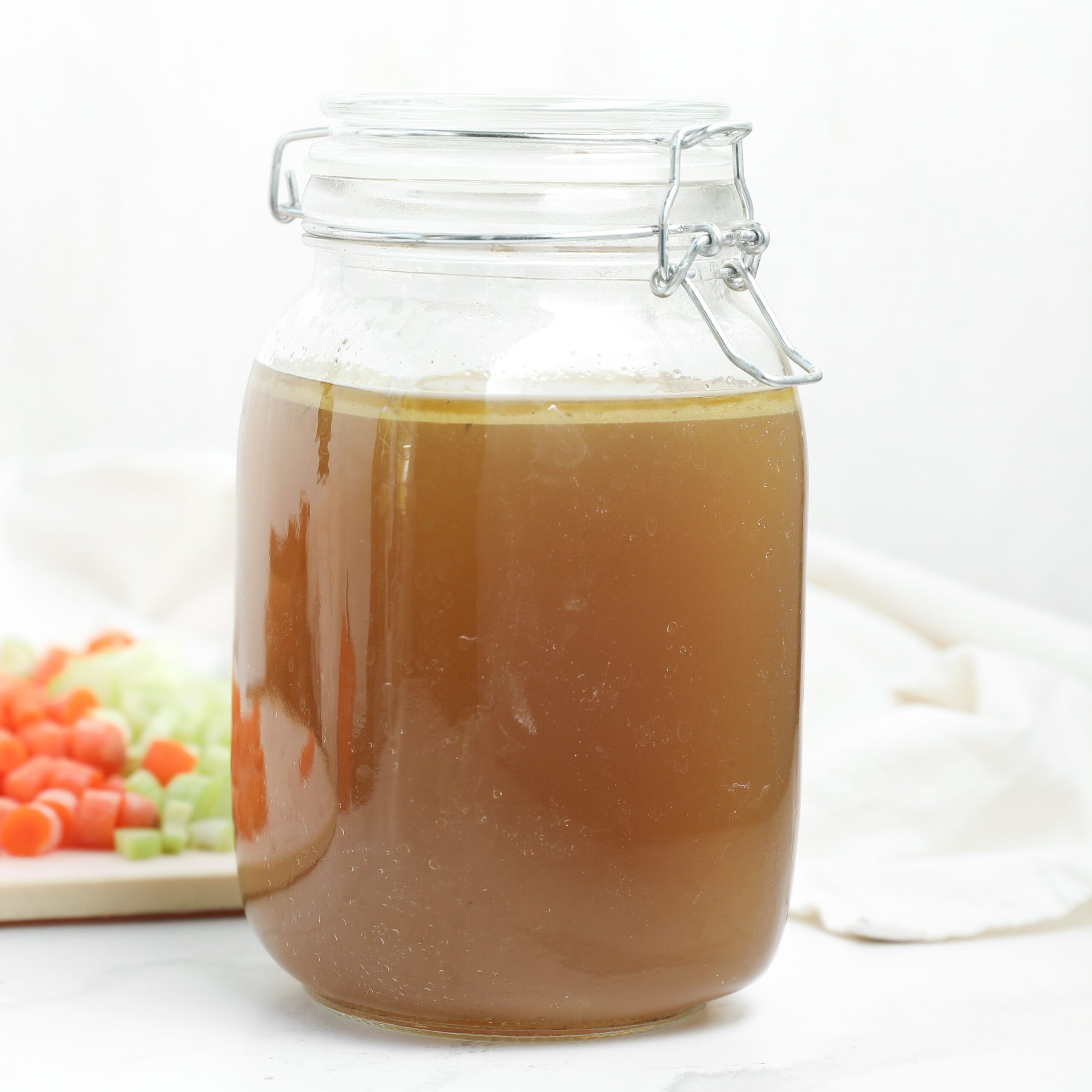
Imagine a rich, golden elixir, bursting with savory notes and a velvety mouthfeel, ready to elevate your next soup, stew, or gravy. That's the power of homemade turkey stock, and it’s surprisingly simple to achieve. This article will guide you through the process, ensuring that not a single ounce of flavor from your magnificent bird goes to waste.
Why Homemade Turkey Stock is a Culinary Game-Changer
Before we dive into the how-to, let's explore why making your own stock is an endeavor truly worth the minimal effort:
- Unparalleled Flavor & Depth: Store-bought stocks often fall flat, relying on concentrates and artificial flavorings. Your homemade turkey stock, however, benefits from the residual meat, fat, cartilage, and bone marrow of the carcass. The collagen from the bones creates a beautiful body and mouthfeel, while any leftover turkey brine imparts an incredible umami. This complexity is something you simply can't buy in a carton.
- Zero Waste, Maximum Value: In an age where sustainability is key, utilizing every part of your ingredients is both economical and environmentally conscious. The turkey carcass, often discarded, becomes the star of a new dish, giving you "free" culinary gold.
- Healthier & Customizable: When you make stock from scratch, you control the ingredients. This means no excessive sodium, no questionable additives, and the freedom to tailor the flavor profile with your favorite aromatics and herbs. Especially if your turkey was brined, you might find you need little to no additional salt, making it a healthier base for various dishes.
- Culinary Versatility: A good stock is the foundation of countless recipes. From comforting turkey noodle soup to sophisticated risottos, flavorful gravies, and succulent braises, your homemade turkey stock will become an indispensable ingredient in your kitchen.
Essential Ingredients for Your Homemade Turkey Stock
The beauty of making homemade turkey stock lies in its simplicity and flexibility. You likely have most, if not all, of these ingredients on hand right after your big meal:
The Star: Your Turkey Carcass
This is, of course, the primary ingredient. Don't worry about picking every last shred of meat clean; those small bits will only add to the flavor. If you saved the neck and giblets (excluding the liver, which can impart a bitter flavor), toss those in too! If your carcass is too large for your pot, don't hesitate to break it into smaller pieces.
Aromatics: The Flavor Foundation
These vegetables provide a sweet and savory base without overpowering the rich turkey essence. The classic trio includes:
- Carrots: Roughly chopped, or even just the ends and peels you saved from dinner prep.
- Onion: Halved or quartered, skin on for extra color and depth (just ensure it's clean).
- Celery: Stalks, leaves, or the often-discarded ends.
Feel free to use whole, fresh vegetables or, even better, the scraps you accumulated while preparing your main meal. This is another fantastic way to reduce food waste.
Herbs & Spices: The Aromatic Boost
These additions round out the flavor profile, adding fragrant notes:
- Fresh Herbs: Parsley, sage, and thyme sprigs are perfect, especially if you have leftovers from your holiday cooking.
- Whole Black Peppercorns: A dozen or so adds a gentle warmth.
- Bay Leaves: One or two will suffice to add an earthy, slightly floral note.
Water: The Liquid Medium
Approximately one gallon of cold water is typically sufficient for a whole turkey carcass. If you only have bones from a smaller turkey breast, adjust the water accordingly. Always use cold water to start, as it helps to slowly extract impurities and flavors from the bones, leading to a clearer, richer stock.
A Note on Salt
This is crucial! If you brined your turkey, there will be a significant amount of residual salt in the carcass. Therefore, do not add extra salt during the stock-making process. Taste the finished stock, and only add salt if necessary. If it tastes too salty, simply add a bit more water to dilute it before reducing further or freezing.
Step-by-Step Guide: Crafting Your Homemade Turkey Stock
Whether you prefer the steady simmer of a stovetop or the hands-off convenience of a slow cooker, making homemade turkey stock is incredibly straightforward. For detailed guidance on both methods, check out our comprehensive Unlock Flavor: Stovetop & Slow Cooker Turkey Stock Guide.
The Stovetop Method (Traditional & Robust)
- Prepare Your Pot: Grab your largest stockpot. If the carcass is too unwieldy, break it down into smaller, manageable pieces to fit snugly.
- Load Up: Place the turkey carcass (and any saved neck/giblets) into the pot. Add your aromatics (carrots, onion, celery) and herbs (parsley, sage, thyme, bay leaves), along with the whole black peppercorns.
- Cover with Water: Pour in enough cold water to fully submerge all ingredients, typically around one gallon for a whole carcass.
- Simmer Gently: Bring the pot to a boil over medium-high heat, then immediately reduce the heat to a very low simmer. You want just a few gentle bubbles breaking the surface, not a rolling boil, which can make your stock cloudy.
- Skim & Simmer: As it begins to simmer, you might see some foam or scum rise to the surface. Use a ladle or large spoon to periodically skim this off; it helps keep your stock clear and clean-tasting.
- The Long Wait: Let your stock gently simmer for a minimum of 6 hours, or ideally all day (8-12 hours). The longer it simmers, the more flavor will be extracted, and the bones will soften, releasing their valuable collagen. Top up the water occasionally if too much evaporates, ensuring the ingredients remain submerged. Resist the urge to stir frequently, as this can also contribute to a cloudy stock.
- Strain & Cool: Once the simmering is complete, carefully remove the large turkey bones and vegetable solids. Strain the liquid through a fine-mesh sieve, ideally lined with cheesecloth for extra clarity, into a clean pot or heat-proof containers.
The Slow Cooker Method (Effortless & Convenient)
For a truly hands-off approach, the slow cooker is your best friend:
- Layer Ingredients: Place the turkey carcass, aromatics, herbs, and peppercorns into your slow cooker.
- Add Water: Pour in cold water until the ingredients are covered, ensuring you don't exceed the 'max fill' line of your slow cooker.
- Set & Forget: Cover and cook on the LOW setting for 8-12 hours, or on HIGH for 4-6 hours. The slow, consistent heat is perfect for extraction without rapid evaporation.
- Strain & Cool: As with the stovetop method, carefully strain the finished stock through a fine-mesh sieve, discarding the solids.
Storing and Utilizing Your Liquid Gold
Once you've made your glorious homemade turkey stock, proper cooling and storage are key to enjoying it for weeks or even months to come.
Cooling Down Safely
After straining, it’s crucial to cool the stock quickly to prevent bacterial growth. Return the strained stock to a clean pot and allow it to cool to room temperature. You can expedite this by placing the pot in an ice bath in your sink. Never put hot stock directly into the refrigerator, as it can raise the temperature of the entire fridge, potentially spoiling other foods and overworking the appliance.
The Art of Defatting
As the stock cools, a layer of fat will rise to the surface and solidify. Once completely chilled (e.g., after a few hours in the refrigerator), you can easily use a spoon or ladle to skim off and discard this solidified fat. While some fat adds flavor, removing the majority makes the stock lighter, healthier, and extends its freezer life.
Storage Solutions
- Refrigeration: Your homemade turkey stock will keep well in an airtight container in the refrigerator for 3-4 days.
- Freezing: For long-term storage, freezing is your best bet.
- Freezer Bags: Pour cooled stock into freezer-safe bags, leaving some headspace for expansion, and lay them flat to freeze.
- Containers: Use rigid freezer-safe containers, again leaving headspace.
- Ice Cube Trays: For small, portioned amounts, freeze stock in ice cube trays. Once solid, transfer the cubes to a large freezer bag.
Creative Ways to Use Your Homemade Turkey Stock
Now for the fun part! Your homemade turkey stock is an incredibly versatile ingredient:
- Soups & Stews: The obvious choice! Think classic turkey noodle soup, hearty vegetable stews, or a rich cream of mushroom.
- Gravy Base: The ultimate foundation for a truly exceptional gravy.
- Risotto & Grains: Use it instead of water or store-bought broth when cooking risotto, couscous, or even regular rice for an extra layer of flavor.
- Braises & Pan Sauces: Perfect for braising meats or deglazing a pan to create a flavorful sauce.
- Mashed Potatoes: Replace some of the milk or cream with warm stock for unbelievably savory mashed potatoes.
Conclusion
Don't let that valuable turkey carcass meet an undignified end in the trash. With minimal effort and a few basic ingredients, you can transform it into exquisite homemade turkey stock that will elevate your cooking for months to come. It’s a testament to culinary resourcefulness, a commitment to deliciousness, and a wonderful way to truly maximize the yield from your holiday feast. So, the next time the carving knife is put away, remember: the best is yet to come!
